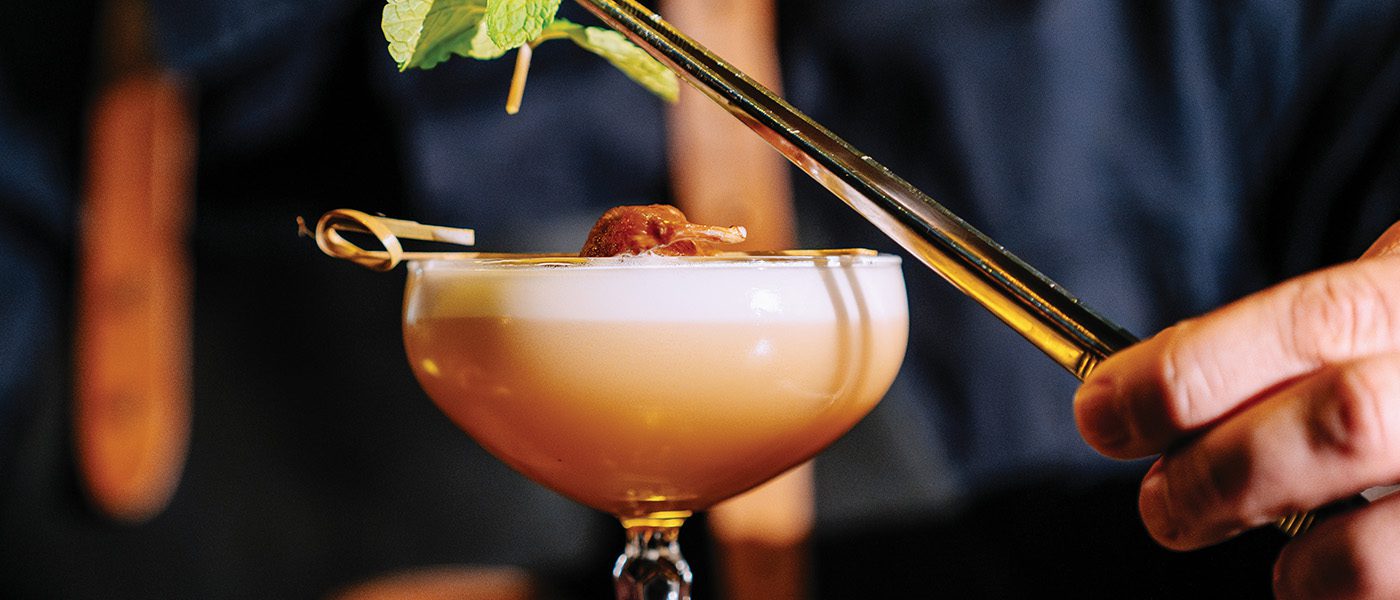
Every beverage has a job to do. With guests scrutinizing what makes it onto the check, drinks must deliver more than refreshment.
Datassential’s 2026 trends data shows that 72% of consumers have become more selective about where they spend on food, with beverages and add-ons facing particular pressure. The interest is still there, but the bar for what feels distinctive, satisfying, and worth the spend is higher. For chefs and operators, that means making every drink work harder, from flavor and format to presentation and pairing. The guiding question is simple: What would make this drink an easy “yes”?
1) OWN THE SPACE BEYOND SODA
Between the fountain and the cocktail list is plenty of room to create something memorable: sparkling refreshers, fruit-and-herb coolers, agua fresca-inspired drinks, tea-based spritzes, and botanical or functional sodas. These beverages can deliver flavor, visual appeal, and a sense of discovery without requiring a complicated bar program. Datassential reports that functional sodas have reached 66% awareness and 58% interest. Tea is finding new occasions, too: Gen Z is significantly more likely than Gen X and Boomers to choose tea or tea-based beverages at happy hour, yet only 20% of operators currently offer tea-based mocktails. This is a natural place to bring a culinary point of view. Ingredients such as cucumber, ginger, basil, chile, citrus, and tropical fruit can connect the beverage list to the food menu. Global flavors, including yuzu, guava, tamarind, and passion fruit, can add freshness and distinction. The best ideas, however, still have to work during a busy service. Nearly three-quarters of operators tell Datassential that beverages must be easy for staff to serve.
Simplicity isn’t a creative limitation; it’s what makes creativity sustainable. Look for components that can work across multiple drinks and dayparts. A passion fruit or yuzu base, for example, could become a sparkling lunch refresher, a zero-proof dinner spritz, and a cocktail ingredient at the bar. A short list of distinctive, easy-toexecute drinks will often create more impact than an expansive menu, especially when those drinks travel well and offer something guests wouldn’t typically make at home.
2) DESIGN FOR THE MODERATING DRINKER
The zero-proof conversation is changing. Many guests no longer identify strictly as drinkers or nondrinkers. Instead, they adjust what—and how much—they drink based on the occasion. Datassential reports that low-alcohol cocktails now have 63% consumer awareness and 51% interest. Session drinks, tea-based cocktails, spritzes, and other lighter choices give guests more control over the pace of their experience. That flexibility is also behind “zebra striping,” the practice of alternating alcoholic and alcohol-free drinks.
A guest might begin with a cocktail, switch to a zero-proof option, and return to alcohol later. They aren’t necessarily choosing a lane; they’re looking for ways to extend the occasion while staying in control. Operators can support that behavior by offering a spectrum of choices: a well-developed zero-proof selection, lower-ABV spritzes or wine-based cocktails, or alcoholic and alcohol-free versions of the same signature drink. These options let guests moderate without feeling like they’re trading down. Price these drinks according to the experience they deliver. An alcohol-free beverage can still require premium ingredients, prep, labor, and thoughtful presentation. When it’s developed with the same intention as the rest of the menu, it can provide meaningful value for the guest and margin for the operation. Ultimately, the best reason to order a zero-proof drink is the same as any other: It sounds delicious.
3) RETHINK THE FORMAT BEFORE THE PRICE
Value isn’t communicated by price alone. Sometimes the barrier to ordering isn’t the drink itself, but the commitment required. A 5- or 6-ounce pour, half-carafe, or tightly edited tasting flight can make discovery feel more approachable without discounting the product. Used strategically, smaller formats may also support pour-cost and waste-reduction goals. Pairings can create accessible value, too. An appetizer with a complementary beverage or a specialty drink with dessert gives guests a complete, easy-to-understand experience. It can also encourage an order that might otherwise be skipped. The best clues may already be showing up during service. Watch for unfinished drinks, hesitation at the point of order, or recurring price objections. These behaviors can reveal where a smaller pour, shareable option, or pairing might make the decision easier. Sometimes the right adjustment isn’t changing what’s in the glass. It’s giving guests a better way into it.
4) GIVE PARTNERS A CLEAR BRIEF
A new beverage product only matters if it fits the concept, works during service, and earns its place in inventory. Instead of simply asking what’s trending, give sourcing partners a specific challenge: a zero-proof drink with a fast pickup, for example, or an ingredient that can work across multiple drinks and dayparts. European Imports, a Sysco company, offers imported and specialty ingredients that can help operators add distinction without sourcing every component separately. The best finds won’t inspire just one drink; they’ll create possibilities across the menu while keeping execution manageable.
BUILD FOR HOW GUESTS DRINK TODAY
Beverages remain one of the best places on the menu to create both experience and margin. Today’s guests want options that reflect how they spend, explore, and moderate, while operators need them to fit the realities of prep, staffing, storage, and service. A beverage menu doesn’t need to capture every trend to feel current. It needs a focused point of view, a clear sense of value, and drinks that deliver on their promise. Get those elements right, and the response every operator wants to hear comes naturally: “Yeah, I’ll have one of those.”